

What Services Can Funeral Homes Provide for Families
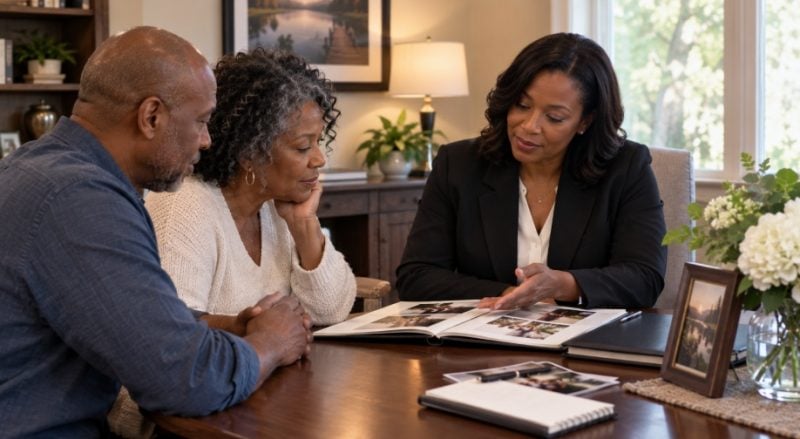
When a family needs to make final arrangements, a funeral home can guide you with cremation, funeral and memorial services, personalization, final disposition, and planning. Families considering cremation services in Holland, MI can also choose meaningful ways to gather and remember a loved one. Rather than approaching each decision separately, we can look at the complete experience and consider which choices reflect the individual’s wishes, family traditions, and the kind of remembrance everyone hopes to create.
Making these decisions can feel unfamiliar, especially when arrangements need attention within a limited period. At Langeland-Sterenberg Funeral Home, we believe helpful guidance begins with listening and explaining options without making the process more complicated. A funeral home can coordinate important details while giving families room to focus on the personal elements that matter to them. The result can be an arrangement shaped around relationships, memories, faith, customs, and individual preferences.
How Can a Funeral Home Help Plan a Service?
A funeral home can guide families through decisions about the type, timing, and details of a funeral or memorial gathering. The process can begin with a conversation about what the family wants the service to communicate and which traditions or personal wishes to respect.
A service may include visitation, a funeral ceremony, a memorial gathering, or a graveside or committal service, depending on the arrangements selected. Families can also discuss music, readings, photographs, speakers, religious leadership (when desired), and other elements that reflect the individual being remembered.
Funeral professionals can explain how these pieces fit together so families do not have to determine every detail without guidance. Our cremation and memorial service options include memorialization, graveside services, committal services, and other choices for cremated remains. The goal is to understand what is available, then select what makes sense for the family rather than follow a single formula.
Clear explanations are especially valuable when family members have different expectations. Talking through preferences can create a practical plan while preserving space for meaningful personal choices.
What Personalization Can Be Included?
Personalization can help a funeral or memorial gathering represent the person rather than feel like a standard ceremony. Families can incorporate photographs, music, readings, stories, hobbies, meaningful objects, or other details connected to someone’s life and relationships.
These touches do not need to be elaborate. A favorite photograph can become part of printed materials, while a collection of family pictures may be used in a tribute video. Meaningful music can establish a familiar tone, and a few carefully chosen belongings can encourage guests to share memories and stories.
Families who want additional inspiration can consider personal ways to make a cremation memorial meaningful while deciding which details genuinely represent the person they are honoring.
We encourage families to think first about the individual. What did people immediately associate with them? Which relationships, interests, beliefs, or traditions mattered most? Answers to questions like these can guide personalization without making the gathering feel overly planned.
What Options Are Available With Cremation?
Choosing cremation does not prevent a family from holding a meaningful ceremony or creating a permanent place of remembrance. Cremation concerns the care and disposition of physical remains, while the decisions surrounding a funeral, memorial, or gathering can be considered separately.
For example, a family may choose a service before or after cremation. Cremated remains can also be associated with a graveside service, placed in a columbarium, returned to the family, or included in other memorial arrangements. This flexibility gives families room to choose the form of remembrance that best reflects their preferences.
This can be useful when relatives live in different areas or when a family wants additional time to organize a gathering. A memorial does not necessarily have to follow one predetermined format or schedule.
Personal elements can remain central as well. Music, photographs, readings, stories, military honors when appropriate, religious leadership when requested, and meaningful keepsakes can all help shape the remembrance. We can begin with what matters to the family, then determine which available arrangements support those wishes.
Can Funeral Homes Help Families Plan?
Yes. Funeral homes can help people record preferences before an immediate need arises. Preplanning gives individuals time to think through choices at their own pace and communicate wishes family members can reference later.
The process can address decisions such as burial or cremation, visitation, funeral services, receptions, graveside or committal services, music, readings, hobbies, themes, and other personal preferences.
Planning is different from arranging services after a death. It is an opportunity to communicate preferences before those decisions become immediate. Some people may want to document many details, while others simply want relatives to understand their general wishes.
A useful conversation can start with straightforward questions. Would we prefer burial or cremation? Is a visitation important? Are there particular readings, songs, traditions, or people we would want involved? Recording those answers can provide clearer direction for the future.
Find Guidance That Reflects Your Family’s Wishes
Funeral homes can help coordinate practical arrangements while giving families meaningful choices about how to remember a life. Funeral and memorial gatherings, cremation options, personalization, final disposition, and preplanning can each be considered according to personal wishes and family traditions. When you are considering cremation services in Holland, MI, Langeland-Sterenberg Funeral Home can help you understand those choices and decide which arrangements fit your family’s needs. You can also review ways to begin planning thoughtfully and find helpful information about future arrangements. When you are ready to discuss your options and receive guidance for the decisions ahead, call us at (616) 392-2306.
